The Interplay of Real-Time Analytics and Chargeback Reduction Across Global POS and Gateway Systems
Petra Lorenz · Jul 25, 2026
The Interplay of Real-Time Analytics and Chargeback Reduction Across Global POS and Gateway Systems
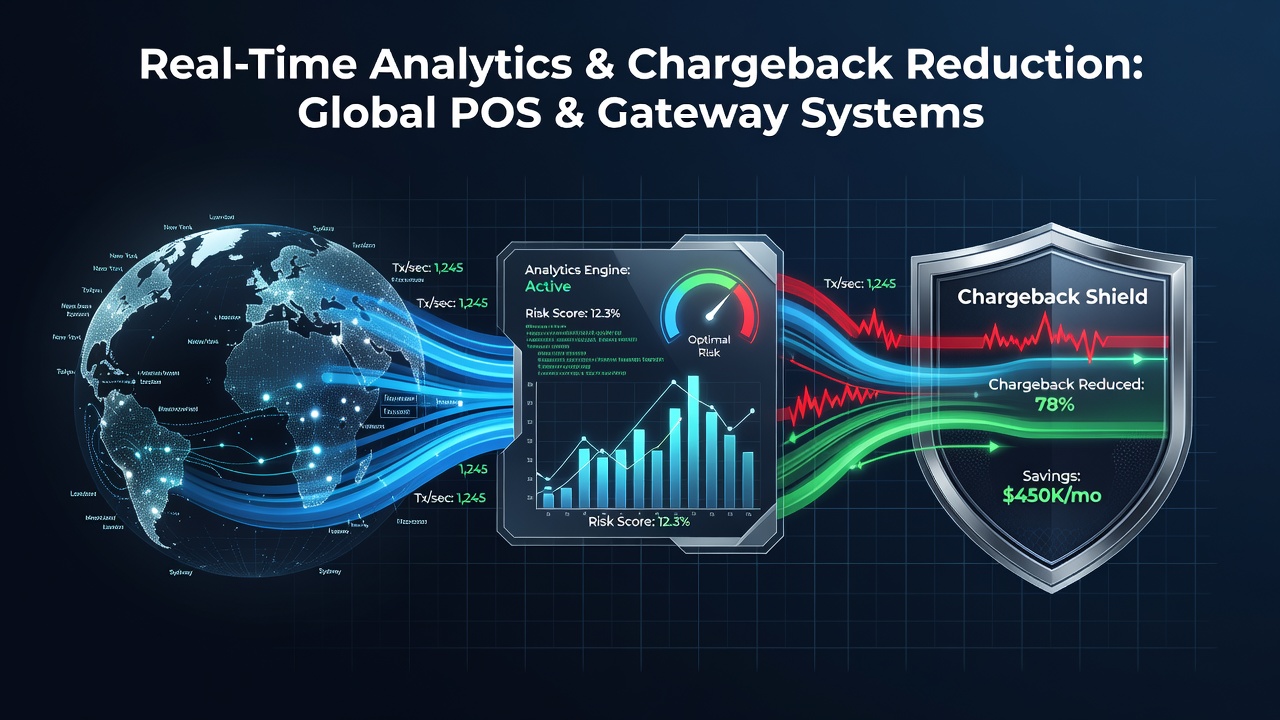
Real-time analytics now sit at the center of chargeback management for merchants who operate across multiple countries and payment rails. Systems pull transaction data the moment a card swipes or a tap occurs, then compare it against historical patterns, device fingerprints, and behavioral signals before authorization completes. This immediate comparison lets gateways flag anomalies that historically led to disputes, such as sudden geographic shifts or mismatched billing addresses, and either block the sale or trigger additional verification steps. Payment processors integrate these tools into both physical terminals and online gateways, creating a shared data layer that spans regions. In practice, a European retailer using a single gateway can see the same risk scoring applied to a North American point-of-sale terminal because the underlying models draw from aggregated, anonymized data pools that update continuously. Observers note that this shared visibility reduces the lag between a suspicious event and the response, which matters when chargeback windows remain fixed at 120 days in many jurisdictions.How Real-Time Scoring Operates at the Terminal Level
POS devices equipped with embedded analytics engines evaluate each transaction against dozens of variables in under 200 milliseconds. Velocity checks track the number of purchases from the same card in a short window, while geo-location cross-references the terminal's known address against the cardholder's typical spending region. When a mismatch appears, the system can prompt for a PIN or redirect the transaction through 3-D Secure protocols without human intervention.
Gateway operators apply similar logic at the network level, where they aggregate signals from thousands of merchants simultaneously. A sudden spike in high-value transactions from a single IP range, for example, triggers an automatic hold that routes the order to manual review queues. Data from multiple sources shows these holds prevent a measurable share of chargebacks that would otherwise arise from card-not-present fraud or friendly disputes.Global Data Flows and Regional Compliance Layers
Cross-border operations introduce additional variables because regulations differ by market. The European Central Bank has published guidance on payment fraud monitoring that encourages real-time data sharing among acquirers, while the Federal Reserve Bank of New York has examined similar practices in U.S. card networks. Merchants must map these requirements onto a single analytics platform, which often means maintaining separate rule sets that activate based on the currency or country code of each transaction.
By July 2026, several gateway providers had rolled out unified dashboards that display both regional compliance flags and global risk scores side by side. This setup allows a merchant in Australia to review North American terminal activity using the same interface that handles European recurring billing, reducing the need for multiple vendor contracts.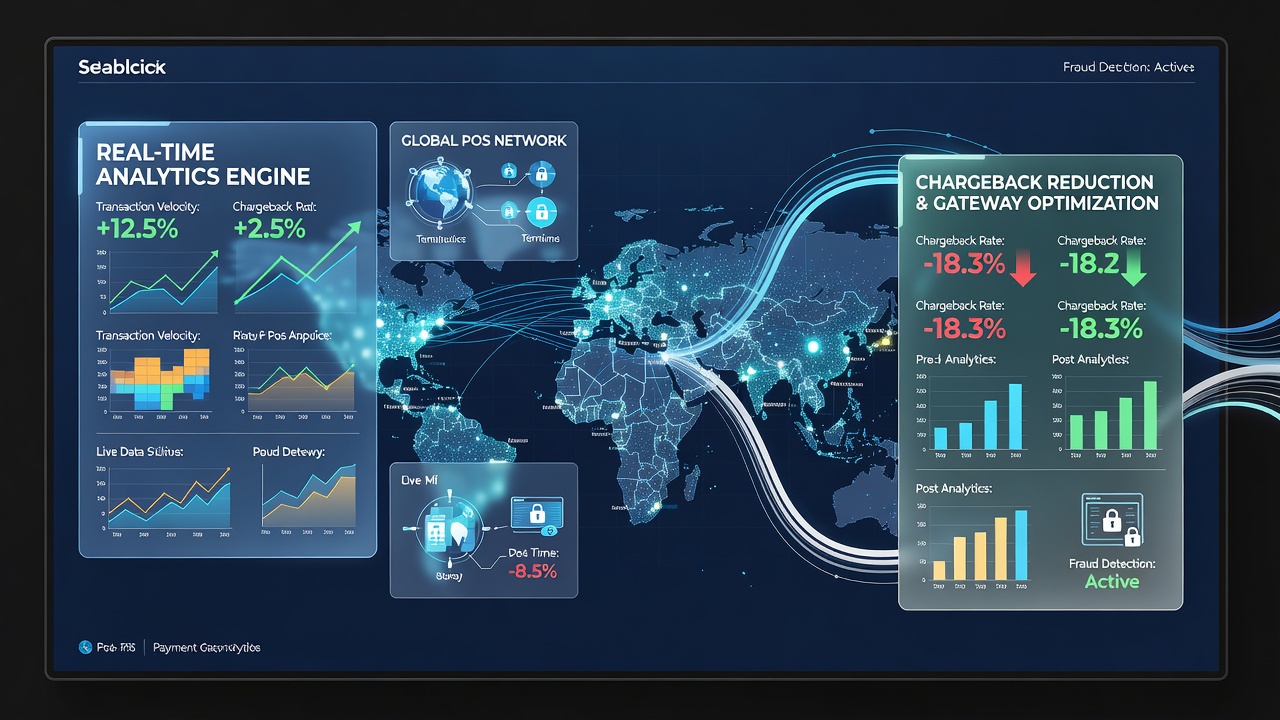
Chargeback Reduction Metrics and Observed Patterns
Industry reports indicate that merchants who deploy real-time analytics across their full terminal and gateway footprint record chargeback ratios between 0.4 and 0.7 percent, compared with higher rates when analytics remain limited to post-authorization reviews. The difference stems from the ability to intervene before funds settle rather than after the fact. One study of multi-national retail networks found that velocity-based blocks alone accounted for roughly 35 percent of prevented disputes in high-volume categories such as electronics and travel services.
Take the case of a subscription hardware provider that expanded from domestic terminals into three additional markets. After linking its POS devices to a centralized analytics engine, the company observed a 28 percent drop in chargebacks tied to unrecognized recurring charges. The engine flagged patterns where the same card appeared across multiple subscription tiers within days, prompting email confirmations that resolved most disputes before they reached the issuer.Integration Challenges Across Legacy and Modern Systems
Not every terminal or gateway updates at the same pace. Older devices often lack the processing power for on-device scoring, forcing reliance on cloud-based calls that add latency. Gateway teams address this by maintaining fallback rules that apply lighter checks when full analytics cannot complete within the required window. Those who manage mixed fleets report that maintaining version parity across regions remains an ongoing operational task rather than a one-time project. Data routing enhancements have helped close some of these gaps. When a terminal in one region detects a high-risk signal, it can push the transaction details to a regional node that holds additional context, such as recent chargeback history for that merchant category. The node returns an updated score within the authorization timeline, preserving the speed merchants expect while still applying deeper scrutiny.
Conclusion
The connection between real-time analytics and chargeback reduction rests on the capacity to act on data before settlement rather than after disputes arrive. Global POS and gateway systems continue to converge around shared scoring models that respect local regulations while drawing on broader transaction histories. As networks add more device-level sensors and refine their machine-learning inputs, the window for preventing chargebacks narrows further, shifting more of the defense upstream in the payment flow.