Exploring API Latency Impacts on Approval Rates in Multi-Region Subscription Networks
Logan Weber · Aug 12, 2026
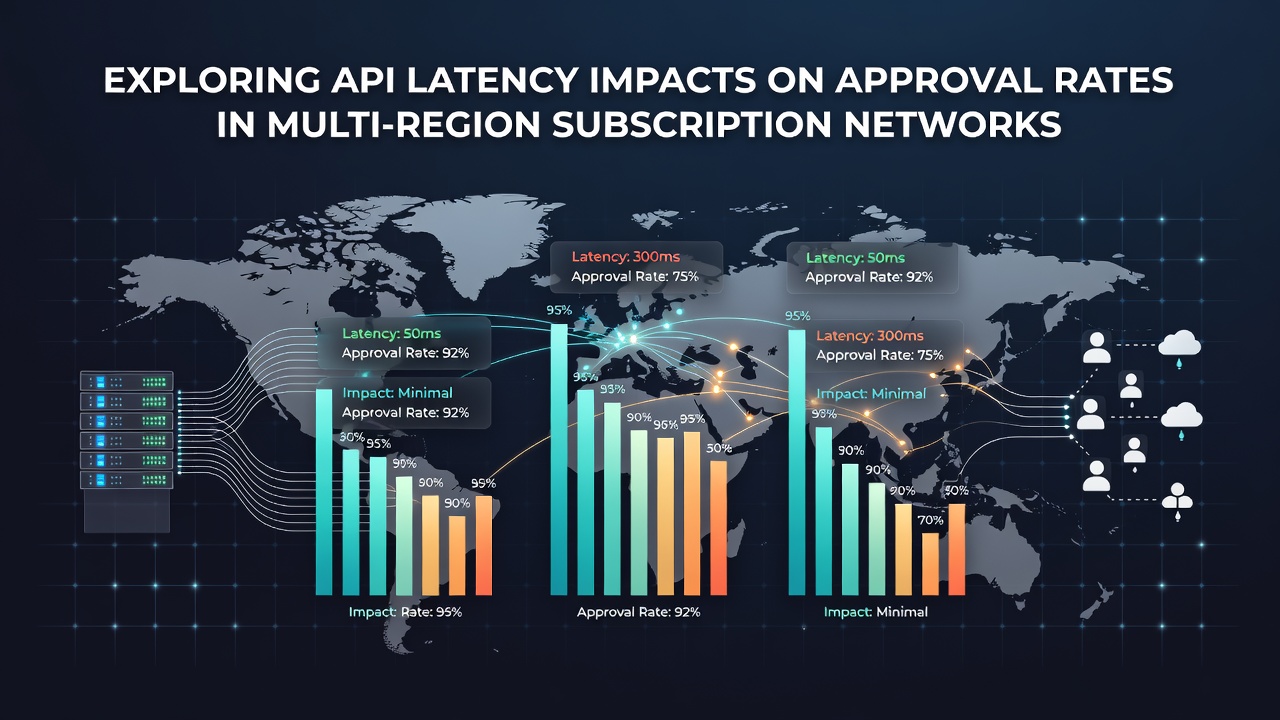
Exploring API Latency Impacts on Approval Rates in Multi-Region Subscription Networks
Data from payment infrastructure analyses shows that API latency directly influences transaction approval rates in subscription networks spanning multiple regions, where delays beyond 200 milliseconds often trigger timeouts in authorization sequences. Observers note that these networks rely on synchronized calls between merchant systems, payment gateways, and issuer databases, and any regional routing variation amplifies the effect. In August 2026, monitoring reports highlighted increased scrutiny on latency metrics as subscription volumes grew across Asia-Pacific and European corridors.
Core Mechanisms of API Latency in Subscription Processing
API latency arises from factors including network hops, database query times, and encryption overhead during each subscription renewal cycle, and researchers have quantified how these elements compound when traffic routes through distant data centers. Payment processors handle recurring billing by initiating API requests that verify card details, check subscription status, and apply fraud rules, while a single added delay in one region can cascade into declined approvals elsewhere. Those who study transaction logs find that connections between latency spikes and approval drops follow consistent patterns, particularly when systems enforce strict response windows under 500 milliseconds.
Regional Differences in Network Performance
Subscription networks operating across continents encounter varying infrastructure quality, and data indicates that routes between North American hubs and Asian endpoints average 150 milliseconds higher latency than intra-European paths. According to findings from the Bank for International Settlements, cross-border payment systems in emerging markets face additional routing layers that extend processing times, which in turn affects approval consistency for recurring charges. Experts tracking these flows observe that providers adjust server placements to shorten paths, yet seasonal demand surges still produce measurable slowdowns that correlate with reduced success rates.
One study revealed that subscription platforms using edge computing nodes reduced average latency by 40 percent in tested regions, and this adjustment lifted approval percentages without altering underlying fraud detection parameters. People managing multi-region setups often discover that aligning API endpoints with local compliance requirements adds mandatory checks, and those steps introduce further variability when networks span jurisdictions with differing data residency rules.
Direct Effects on Approval Rates
Approval rates decline when API responses exceed issuer-defined thresholds, because delayed fraud signals or authentication tokens cause requests to fail before completion. Transaction data compiled across 2025 and into August 2026 demonstrates that a 100-millisecond increase in latency corresponds to a 1.8 percent drop in approvals for high-volume subscription merchants. Researchers examining these correlations emphasize that the relationship holds across card networks and alternative payment methods alike, while regional differences in issuer policies magnify the outcome.
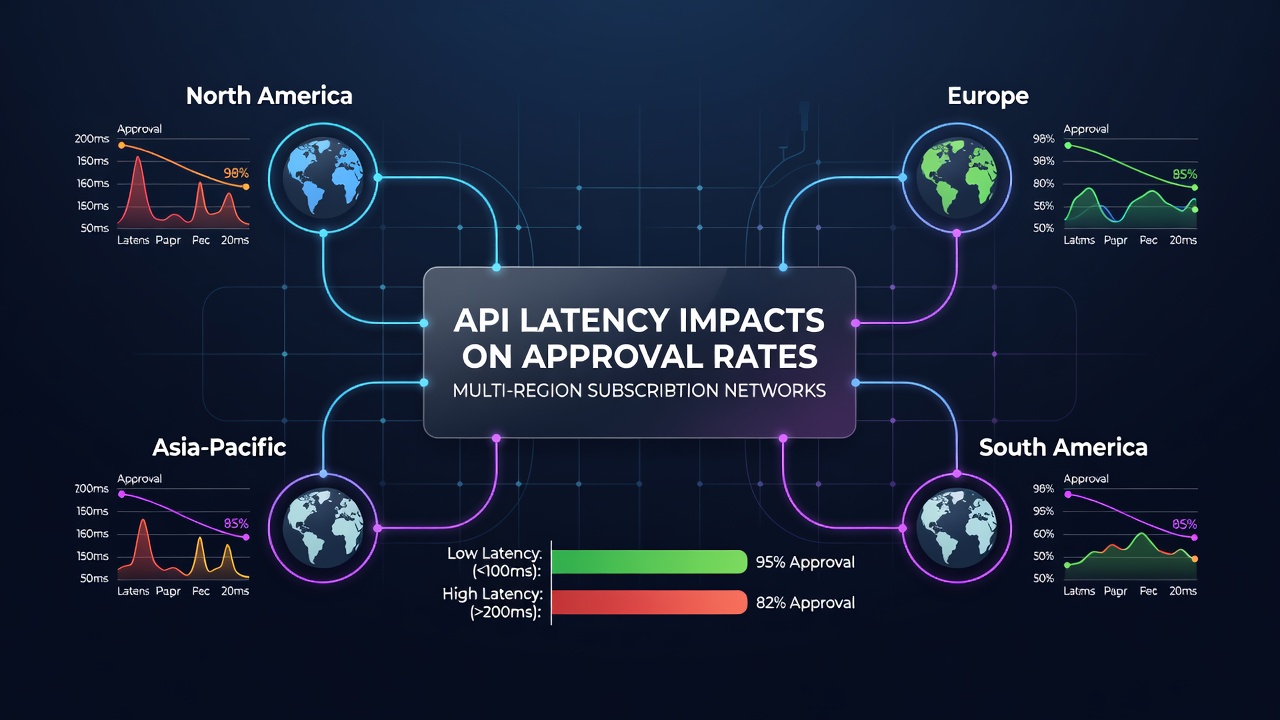
Take one analysis of European subscription services that routed requests through centralized gateways, where peak-hour congestion produced approval rates falling below 92 percent during latency events above 300 milliseconds. In contrast, networks that distributed API calls across localized clusters maintained steadier performance, and figures from those deployments reveal fewer declines tied to timing issues. Observers tracking merchant accounts note that subscription models with frequent renewals expose these vulnerabilities more clearly than one-time purchases, since repeated exposure to latency compounds the cumulative impact on revenue collection.
Strategies Observed in Operational Networks
Operators address latency by implementing asynchronous processing for non-critical verification steps and deploying content delivery mechanisms closer to end users, and these tactics have shown measurable improvements in approval consistency. Data routing enhancements that prioritize low-latency paths between subscription management platforms and issuing banks help maintain response times, while monitoring tools provide alerts when thresholds approach critical levels. There's this case where providers integrated predictive caching for recurring customer profiles, and approval rates stabilized even during cross-region traffic peaks.
Industry reports from sources such as the Federal Reserve Bank of New York detail how payment ecosystems benefit from standardized latency benchmarks, and those benchmarks guide infrastructure investments across different continents. Subscription networks incorporating these practices report fewer interruptions in billing cycles, and the resulting data shows tighter alignment between expected and actual approval volumes regardless of geographic spread.
Conclusion
API latency remains a measurable variable in multi-region subscription approval processes, and ongoing infrastructure refinements continue to shape outcomes as networks expand. Evidence from transaction monitoring in 2026 underscores the value of targeted latency management for preserving consistent performance across borders. Those overseeing these systems continue to refine routing and caching approaches to align response times with issuer expectations.