Bridging Retail Hardware Systems With Risk Assessment Frameworks for Global Subscription Models
Ben Becker · Oct 5, 2026
Bridging Retail Hardware Systems With Risk Assessment Frameworks for Global Subscription Models
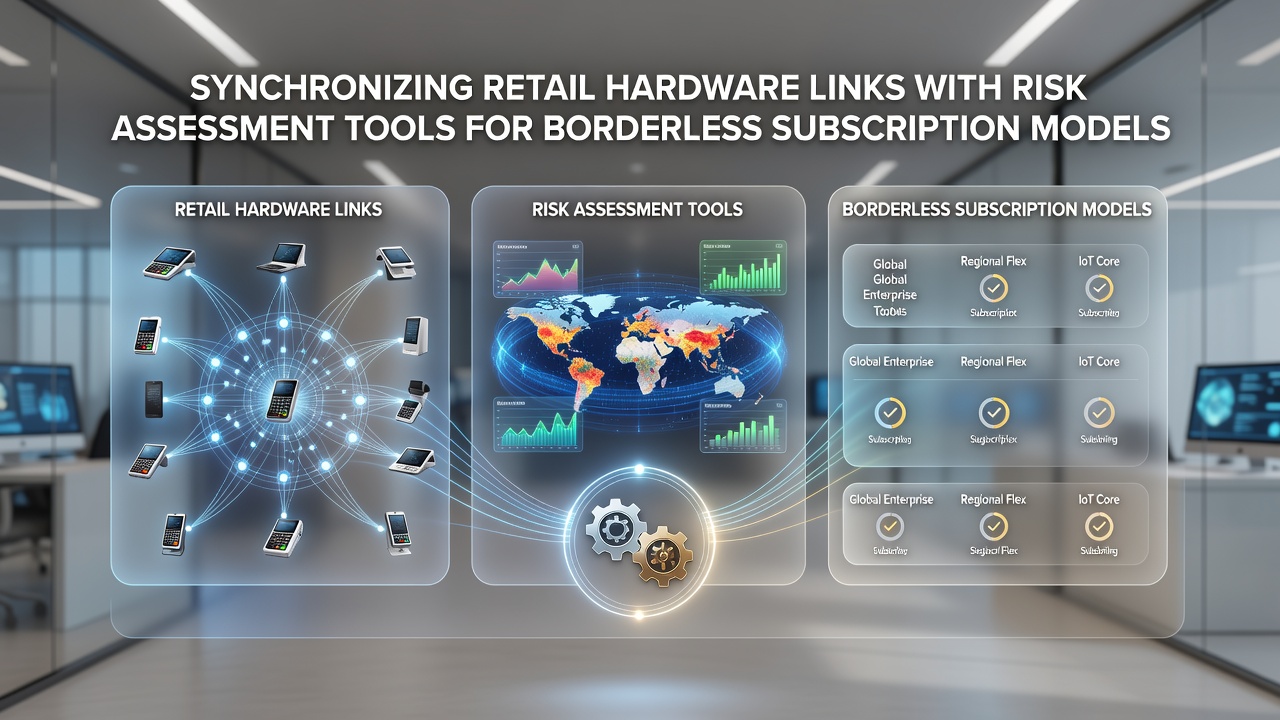
Retail operations that span multiple countries rely on synchronized connections between physical terminals and analytical platforms that evaluate transaction risk in real time, and this coordination supports subscription services where customers pay across borders without interruption. Hardware devices such as card readers and point-of-sale units transmit encrypted data streams directly to risk engines that apply machine learning models trained on historical patterns from various regions. Those engines then return approval decisions within milliseconds while factoring in variables like currency fluctuations and regulatory differences.
Core Components of Hardware and Risk Integration
Point-of-sale terminals collect customer details at the moment of purchase and forward those details through secure application programming interfaces to centralized risk assessment servers. The servers cross-reference incoming data against watch lists maintained by financial institutions and update scoring algorithms based on recent chargeback trends reported in October 2026. Integration occurs through standardized protocols that allow devices from different manufacturers to communicate with the same analytical backend without custom middleware for each market.
Subscription models introduce recurring authorization requests that differ from one-time retail purchases, so risk tools must track payment history across multiple billing cycles while adjusting thresholds for each subscriber's location. Device firmware receives periodic updates that embed new detection rules derived from global transaction datasets, and these updates ensure hardware remains aligned with evolving threat vectors identified by security researchers.
Technical Synchronization Mechanisms
Data flows begin when a terminal initiates a subscription renewal request and the linked risk platform evaluates factors including device location, network origin, and behavioral biometrics collected during prior interactions. Secure sockets layer connections maintain continuity even when network conditions vary between countries, and fallback routing directs traffic through alternate gateways if primary paths encounter latency. Observers note that successful synchronization reduces false declines by matching hardware-generated tokens with dynamic risk scores that adapt to regional payment habits.
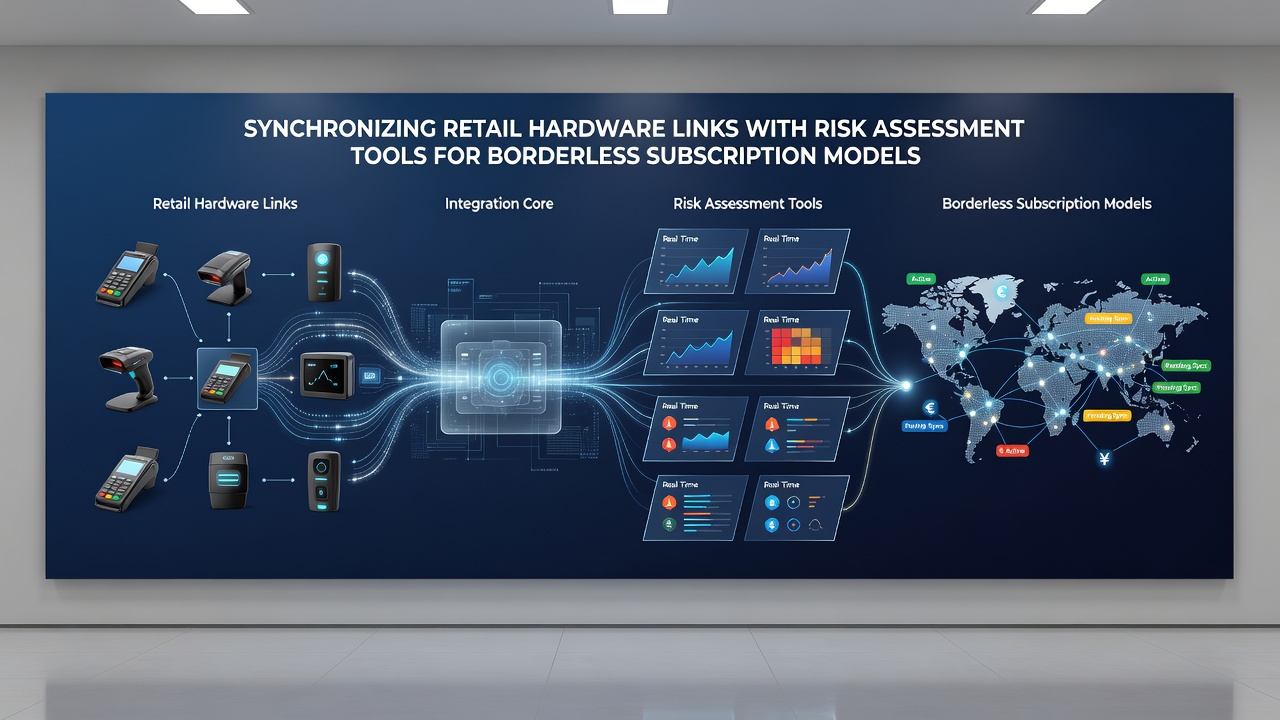
Application programming interfaces expose endpoints that allow risk engines to query terminal status and push configuration changes without requiring physical access to each store location. In practice, a terminal in one country can receive an updated risk parameter set developed from patterns observed in another market, and this cross-pollination strengthens detection layers for subscription renewals that cross regulatory boundaries. Studies from institutions such as the European Central Bank have documented how such linkages improve authorization rates when currency conversion occurs alongside recurring billing.
Operational Considerations Across Borders
Merchants deploying these synchronized systems must account for differences in data residency rules that affect where risk assessment servers store transaction logs. Hardware links incorporate geofencing capabilities that route sensitive information only through approved jurisdictions while still allowing the central platform to generate unified risk profiles. Teams responsible for system maintenance schedule synchronization checks that verify terminal firmware versions match the risk engine's expected specifications, and any mismatch triggers automated alerts before subscription processing begins.
Reports from the PCI Security Standards Council outline requirements for maintaining encryption integrity during these handoffs between devices and analytical tools. Compliance teams review audit trails generated by both hardware and software components to confirm that risk decisions align with documented policies for each operating region.
Future Developments in Device and Platform Alignment
Developments scheduled for late 2026 include expanded support for contactless subscription activations that feed additional sensor data into risk models, and manufacturers have begun embedding lightweight analytics chips directly into terminals to reduce round-trip latency to central servers. These enhancements allow risk assessment to occur partially at the edge while still syncing core decisions with global databases that track subscription fraud indicators. Organizations testing these configurations report measurable improvements in processing speed for multi-currency renewals when hardware and risk tools operate under unified protocols.
Conclusion
Coordination between retail hardware and risk assessment tools continues to evolve as subscription services expand across borders, and the technical linkages described here form the foundation for secure recurring transactions. Continued alignment of device capabilities with analytical platforms supports reliable operations while meeting regulatory expectations in multiple jurisdictions. Data from industry monitoring groups indicates that organizations maintaining these synchronized connections experience fewer disruptions in their borderless billing workflows.